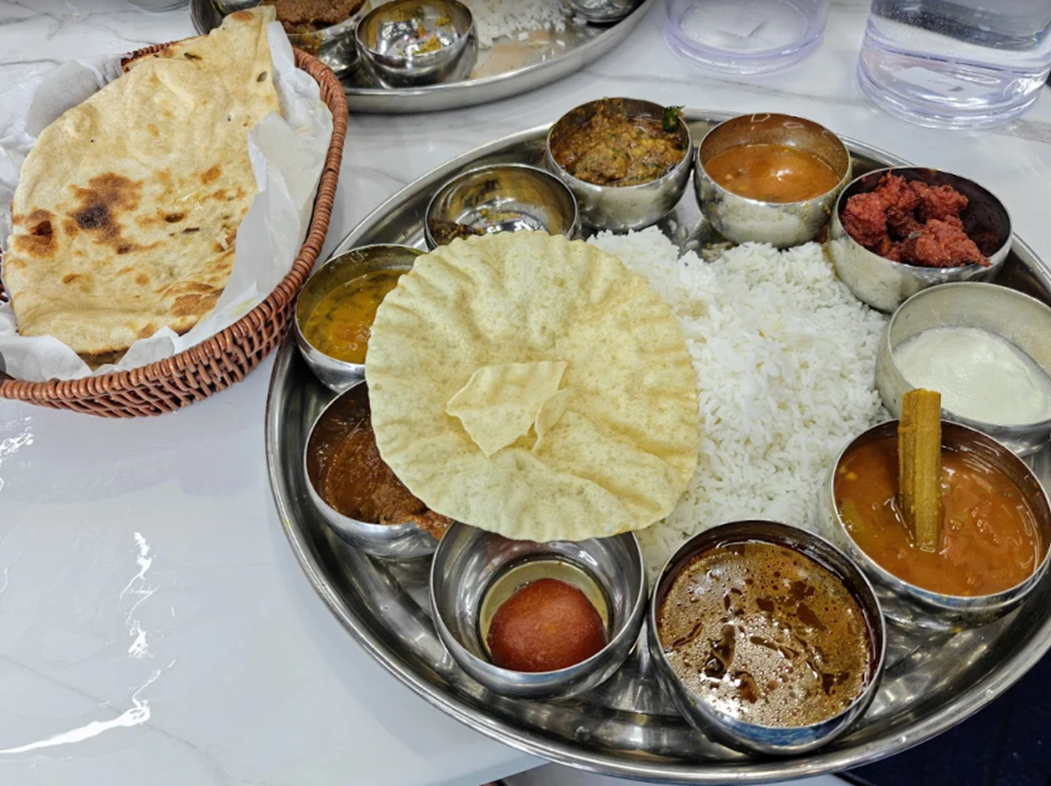
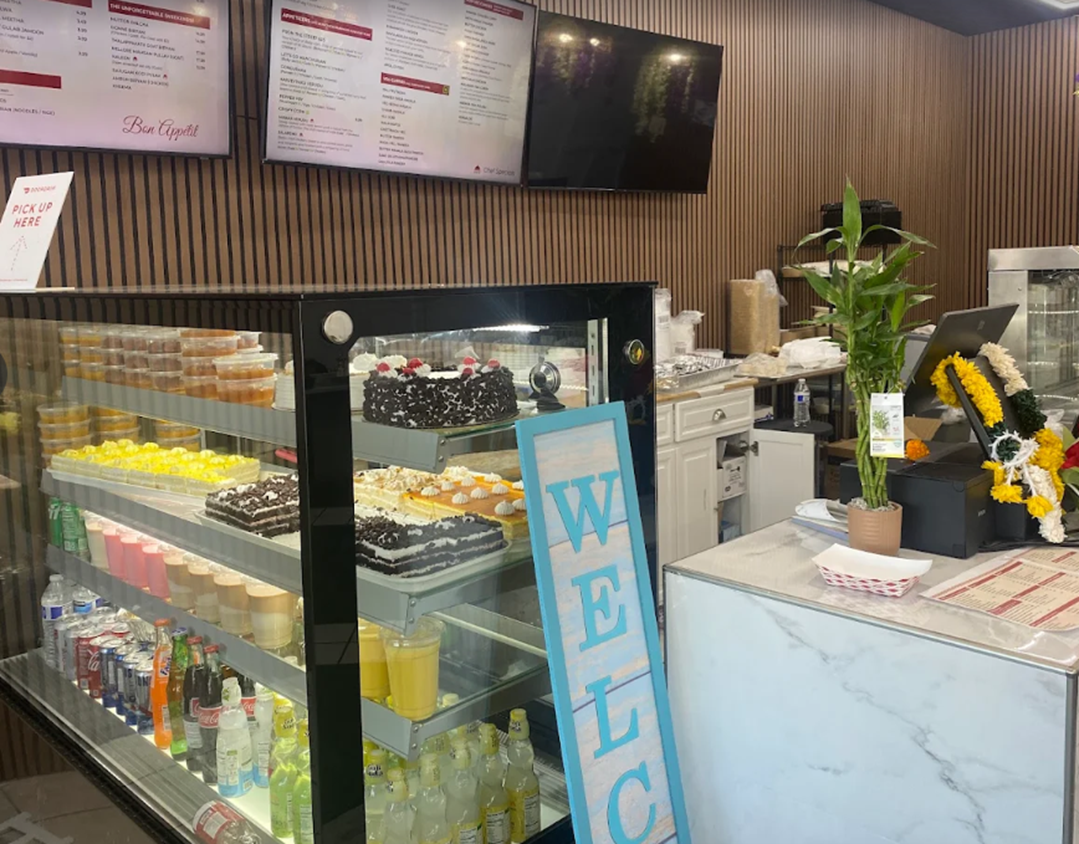
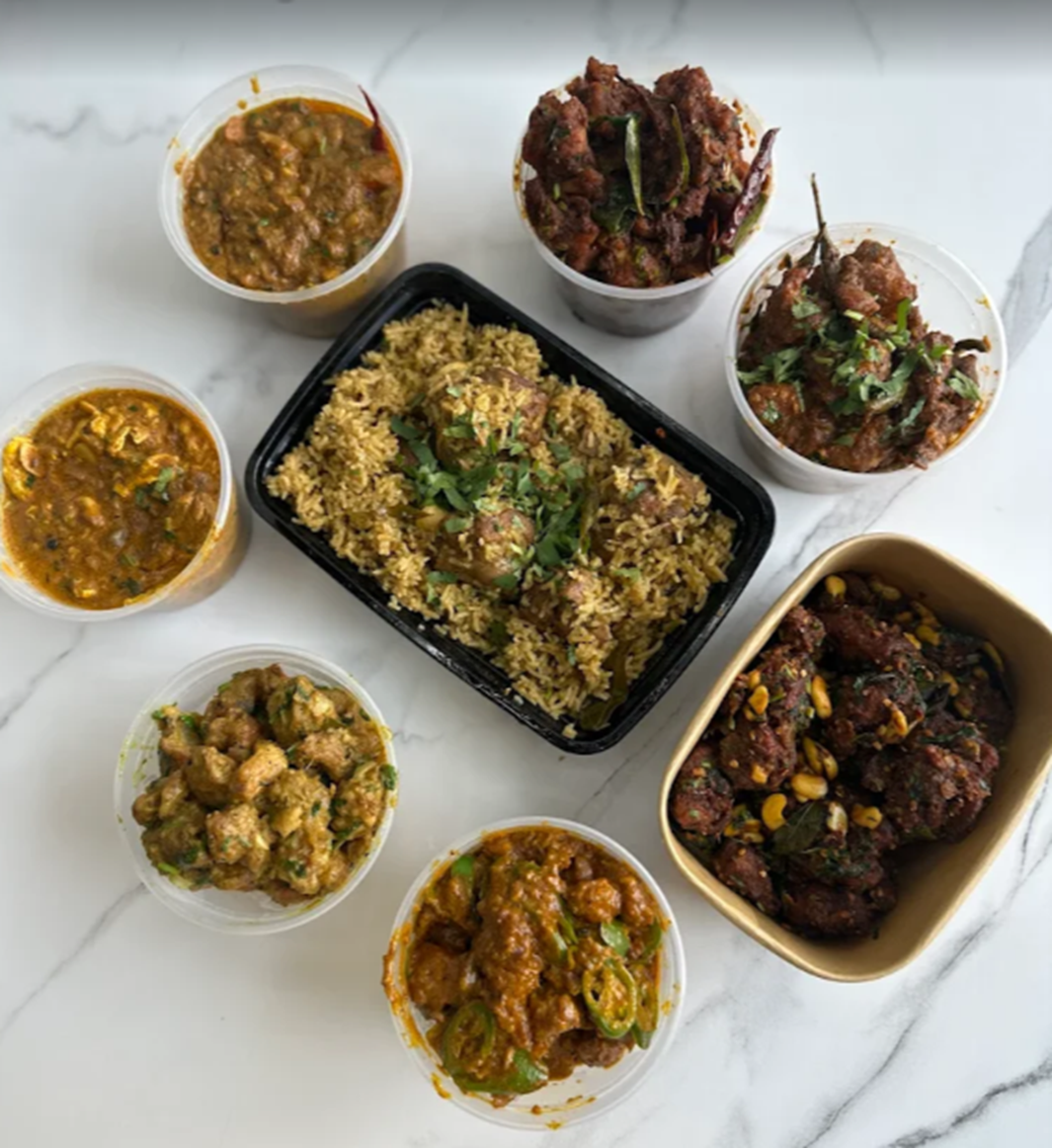
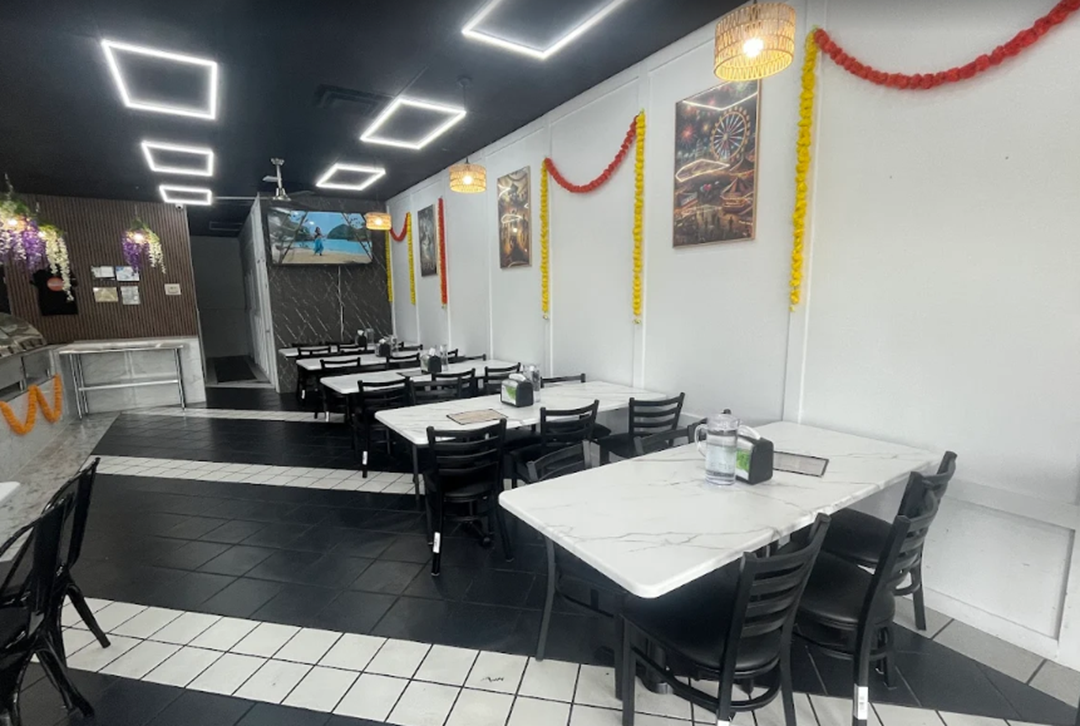
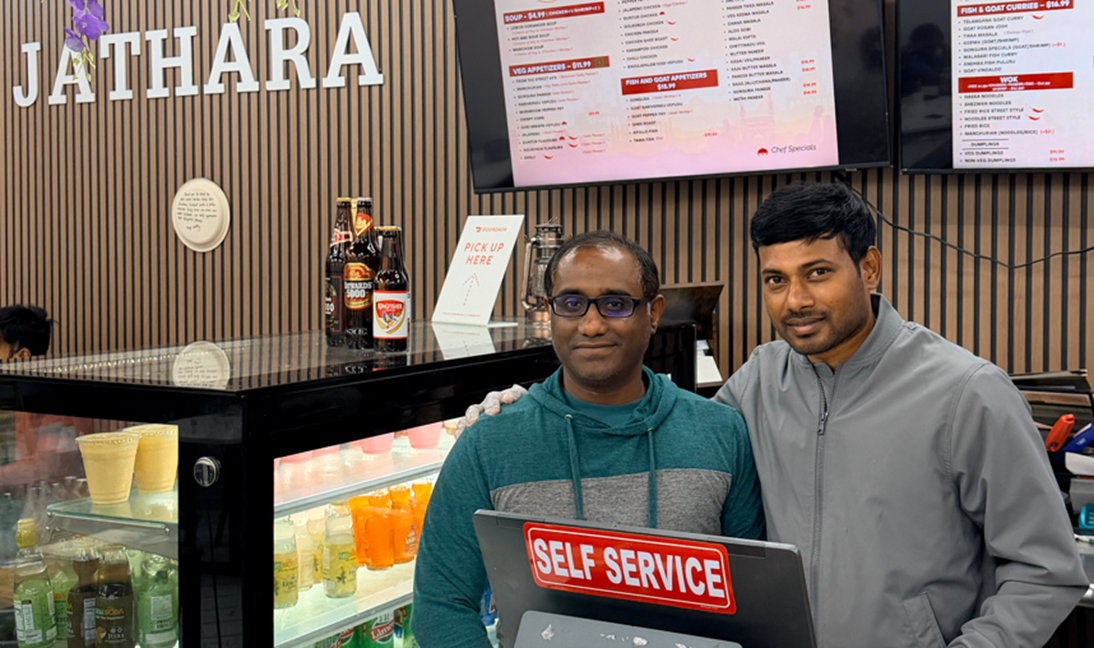
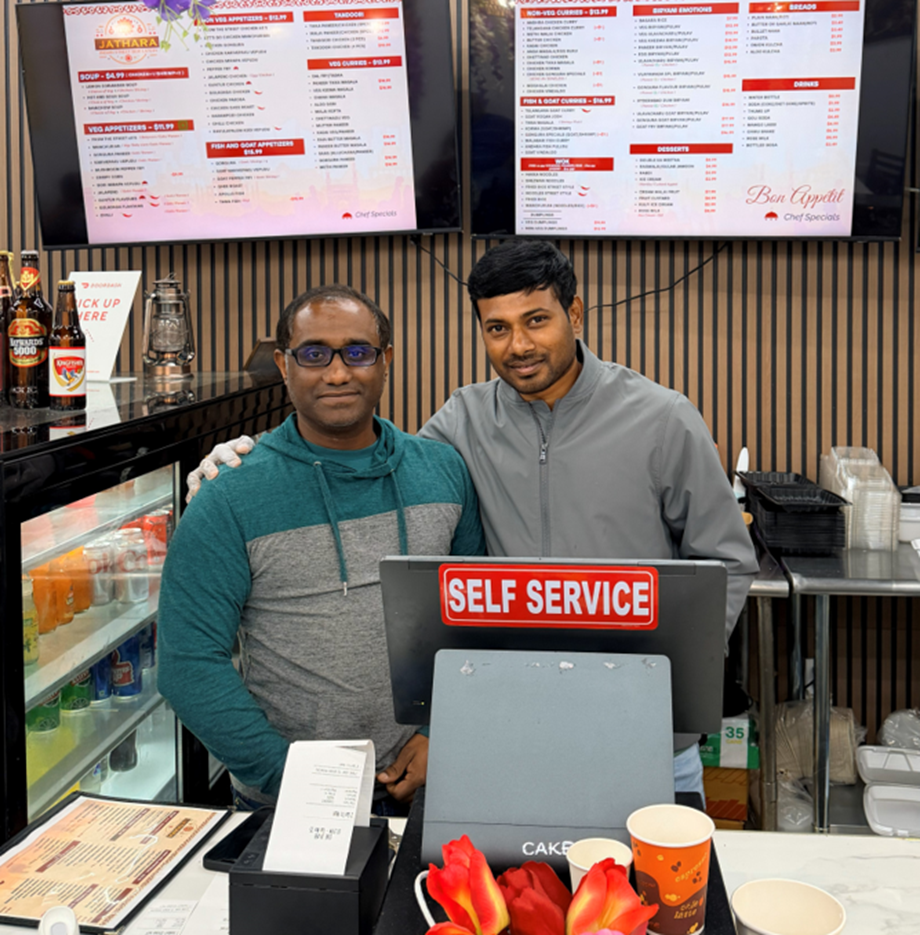
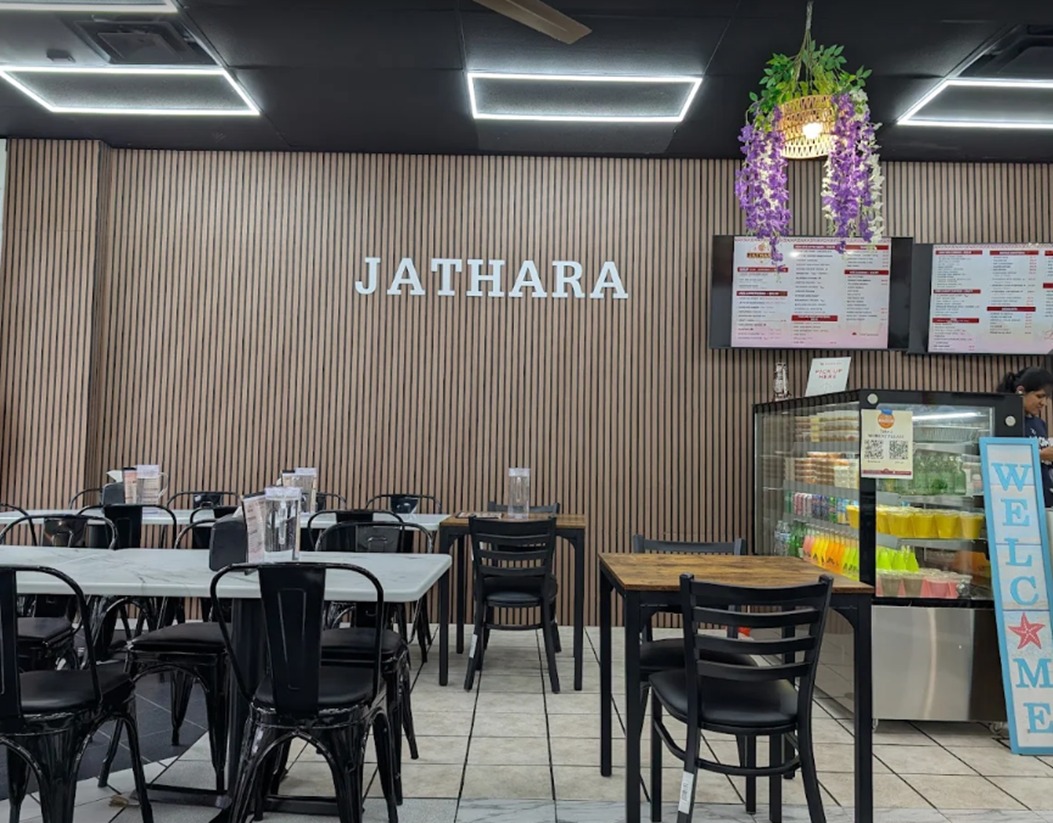
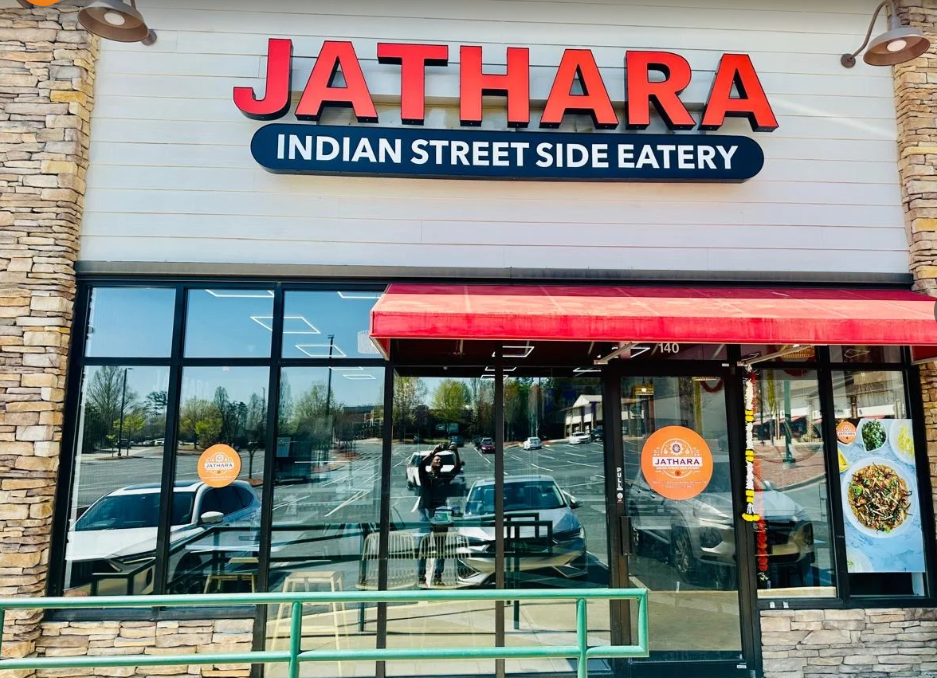
For Chef Sivas, food is about energy, memory, and cultural connection. As the founder of Jathara, a street-style Indian restaurant, he wanted to recreate the feeling of Indian street food rather than a formal dining experience. Walking into Jathara is meant to feel lively and familiar, filled with music, color, spice, and conversation. The goal is not just to eat, but to experience the excitement and immediacy of food as it is enjoyed back home.
Chef Sivas is originally from South India, specifically Hyderabad, a city known for its biryanis, spices, and vibrant street food culture. Growing up, street-style food was part of his everyday life. When he moved to the United States, it was one of the first things he missed. Over time, he began recreating those foods on his own, cooking and sharing them with friends for more than ten years. Eventually, their encouragement pushed him to turn that long-held passion into a restaurant, leading to the creation of Jathara.
After moving to the U.S., Chef Sivas noticed that while Indian food was widely available, authentic street-style flavors were harder to find. The freshness, spice balance, and immediacy he grew up with were often missing. Dishes like pani puri were especially difficult to recreate. “When I first made pani puri, it never tasted the same,” he says, explaining that it took years of repetition and adjustment to finally bring that familiar taste back.
Although he works full-time as a mechanical engineer and engineering lead at Microsoft, Jathara is driven entirely by passion. Chef Sivas emphasizes that the restaurant is not passive income, but something he remains deeply involved in. Cooking has always been personal for him, and much of his inspiration comes from his mother. While she shared recipes and measurements, he eventually learned that flavor comes from practice, patience, and care, not just ingredients on a page.
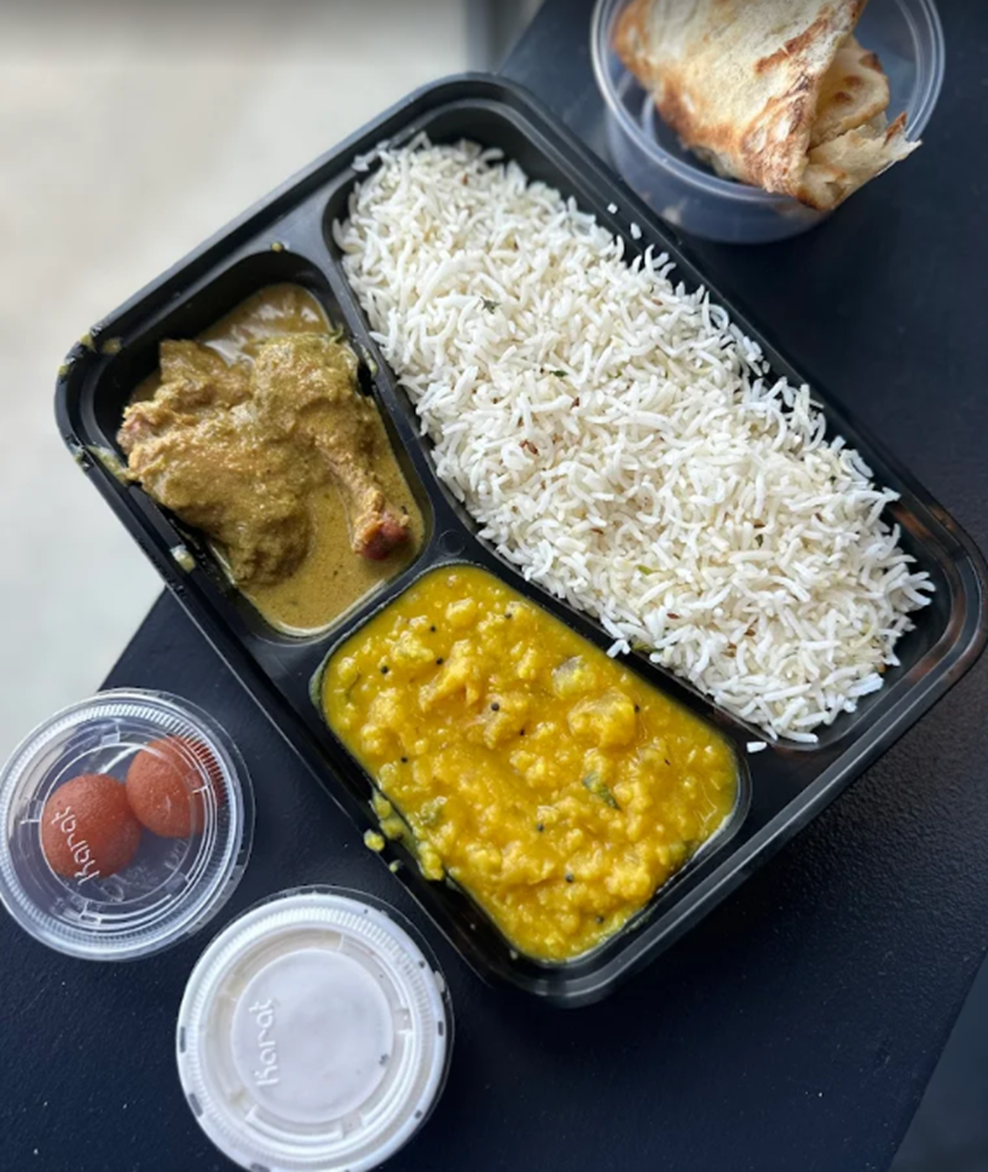
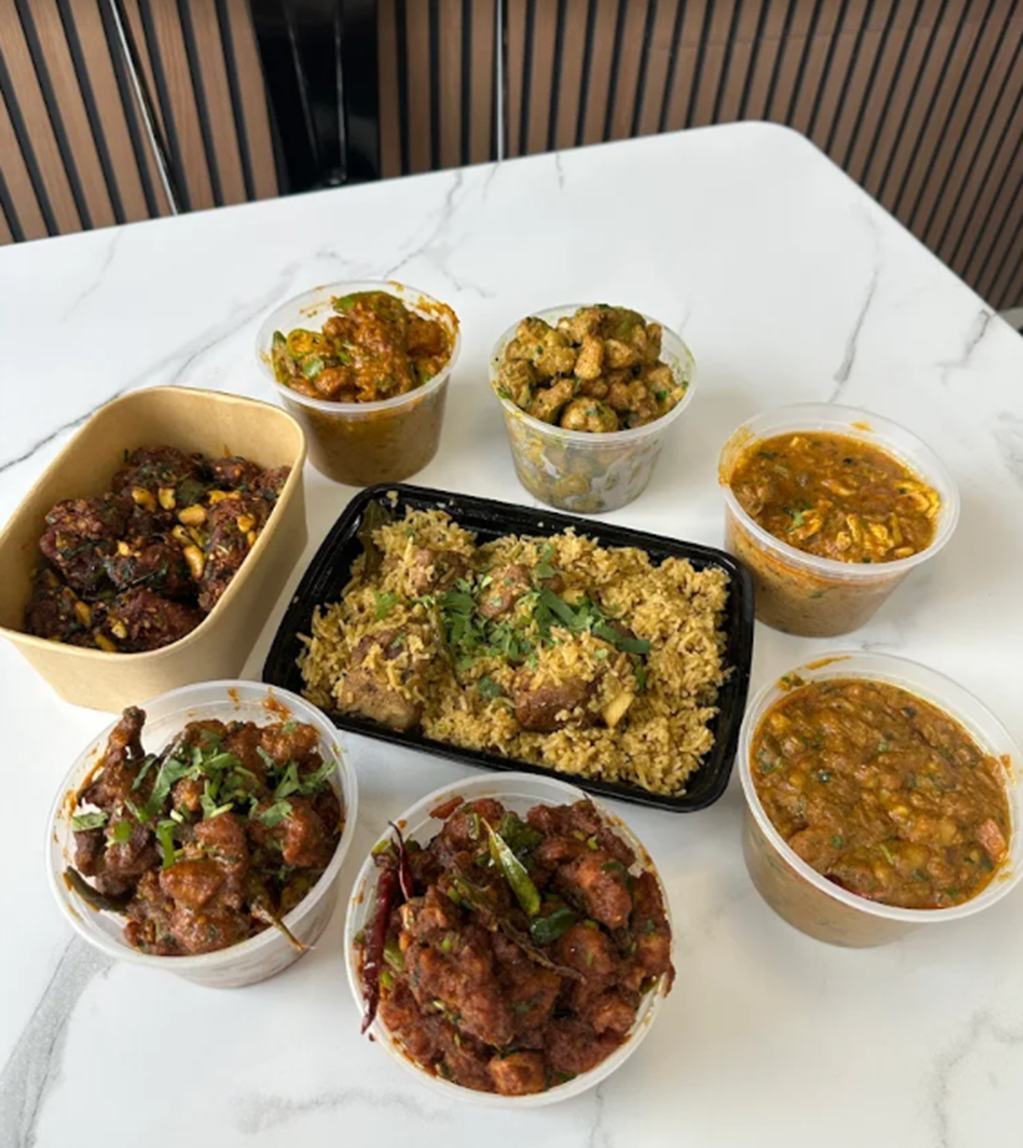
Freshness is central to how food is prepared at Jathara. Chef Sivas explains that food is cooked fresh every day and never stored overnight. If something sells out, it sells out. He sees this approach as a form of respect, both for the food and for the people eating it. Rather than overwhelming heat, the focus is on bold, layered spice, something many customers recognize and appreciate. For him, street food should feel vibrant, intentional, and alive.
When reflecting on what keeps him motivated, Chef Sivas returns to the importance of passion. He believes that anyone entering the restaurant industry must fully understand their vision and never rely entirely on others for their identity or recipes. Through dedication, experimentation, and deep respect for tradition, Jathara has become more than a restaurant. It is a place where people reconnect with memory, culture, and the shared energy of street food.
Chef Sivas’s story reflects the heart of Restaurant Voices, showing how immigrant-owned restaurants preserve the spirit and immediacy of street food as a form of cultural memory and connection.