Honest

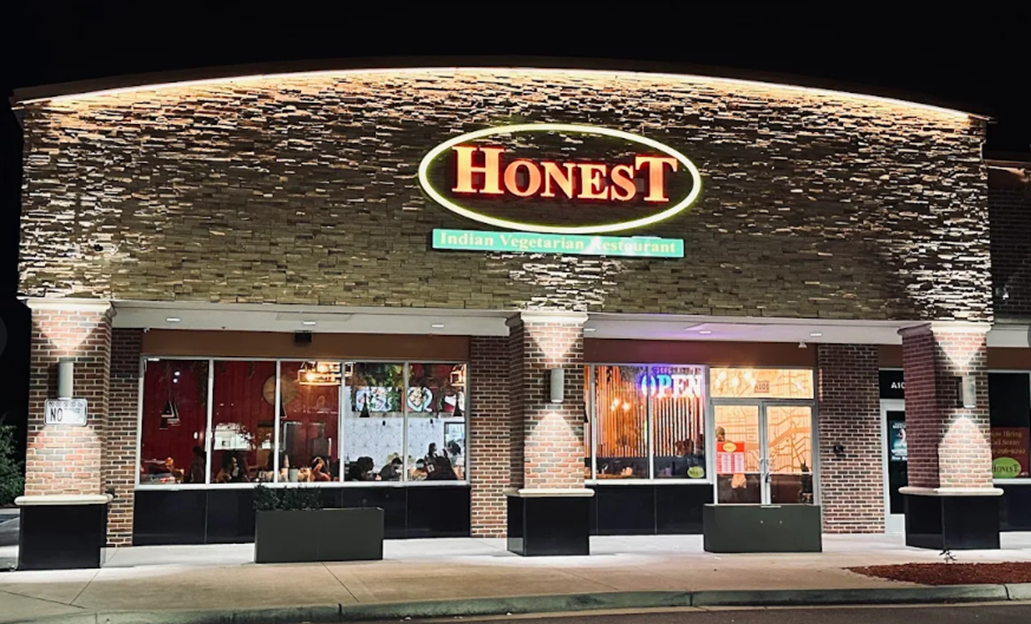
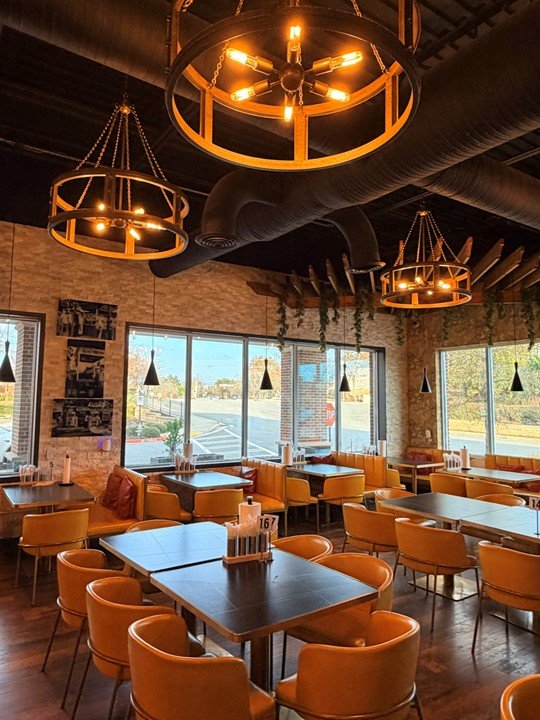
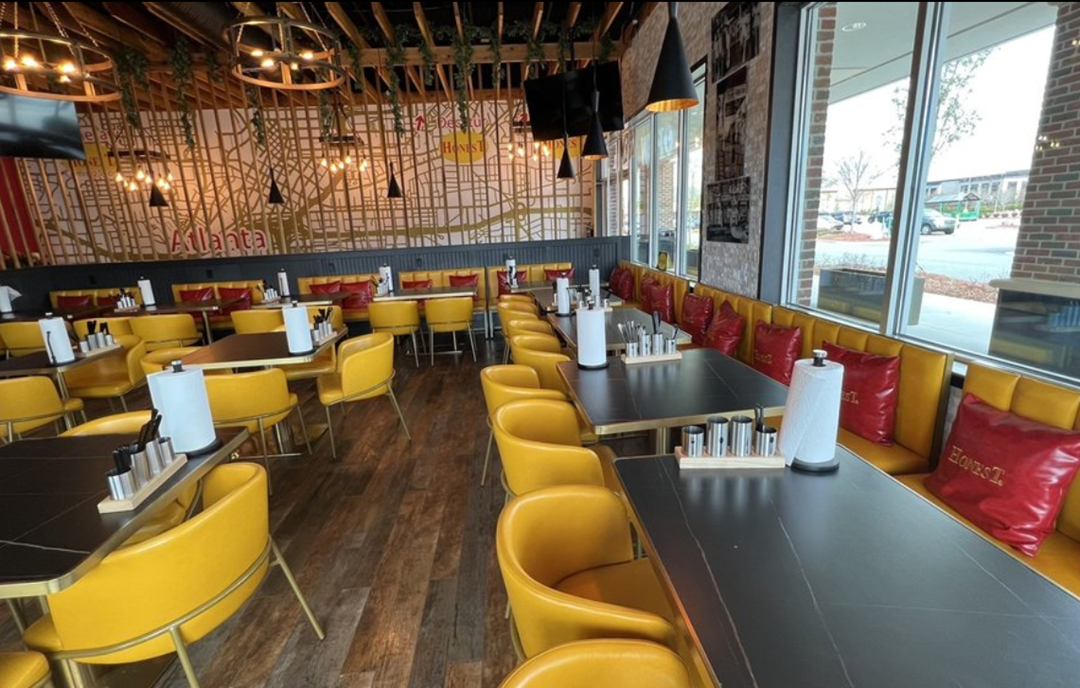
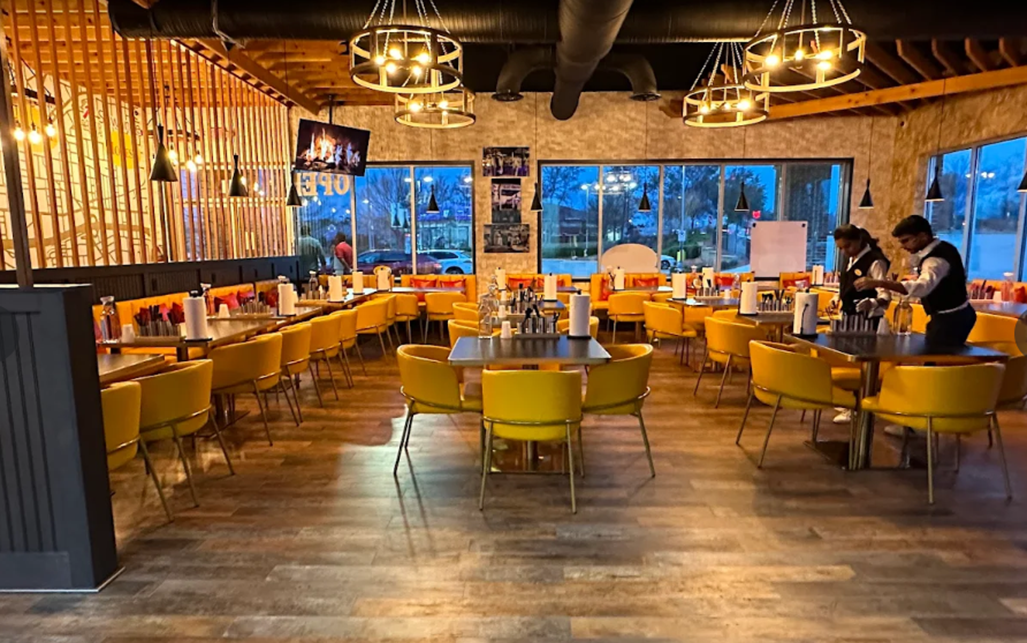
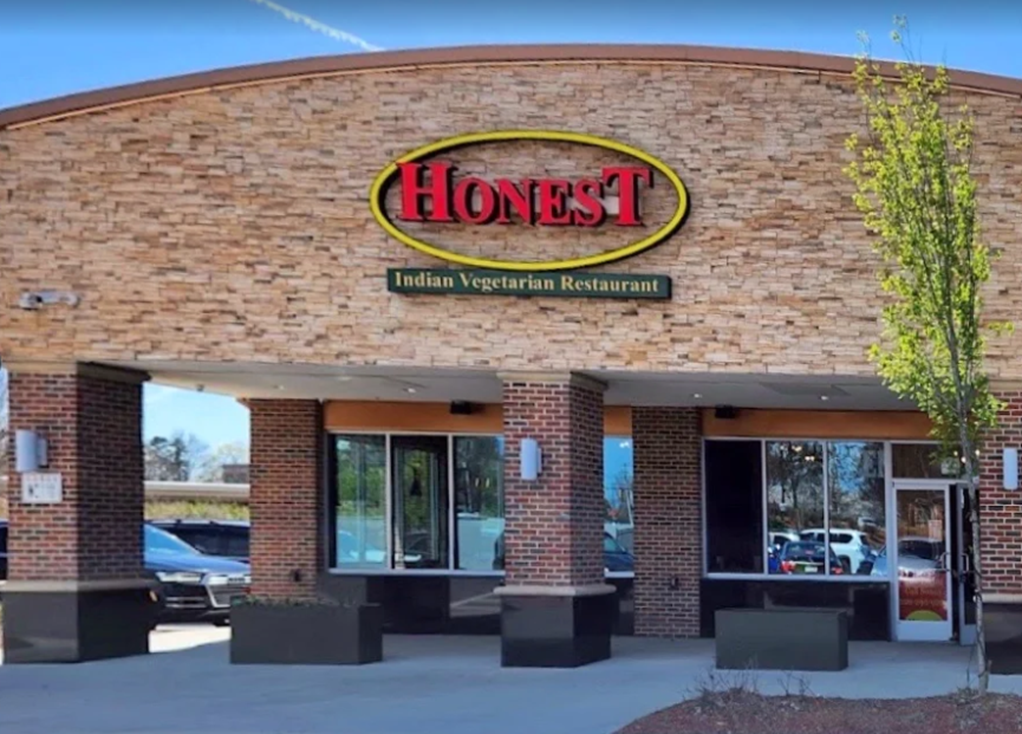
For Karim, food has always been tied to family, routine, and tradition, long before it became a business. As the operator of Honest Restaurant, a vegetarian Indian restaurant, he brings that grounding sense of familiarity into the space, shaping how the restaurant feels as much as how it functions.

When Karim first came to the United States for college, food was a necessity before it was a passion. Living near Virginia Tech, he found himself far from Indian restaurants and familiar flavors. “I was all by myself,” he explains. “There weren’t any Indian restaurants around there.” Before leaving home, his mother had taught him a few basic dishes, and once in college, he began cooking those meals for himself as a way to get by.

It was only after others noticed his cooking that Karim began to recognize his own skill. Friends would stop by, eat the food he had prepared, and react with surprise and enthusiasm. “That’s when I realized… maybe my food is good,” he says. Cooking quickly became a shared experience. With little money to spare, Karim made a deal with his friends: “I would cook for you if you would buy all my groceries.” In exchange for weekly groceries, he cooked meals for ten to twelve friends at a time, slowly building confidence and consistency in the kitchen.

Despite how central food became in his daily life, Karim’s professional path initially led elsewhere. He studied computer science at Virginia Tech and began working in IT after graduating. His eventual move into the food industry was shaped by family history. “Food has always been in our family,” he explains, noting that his grandfather owned a confectionery business in India. Growing up, Karim spent time around skilled sweet-makers, observing techniques and absorbing knowledge that stayed with him even as he pursued a different career.

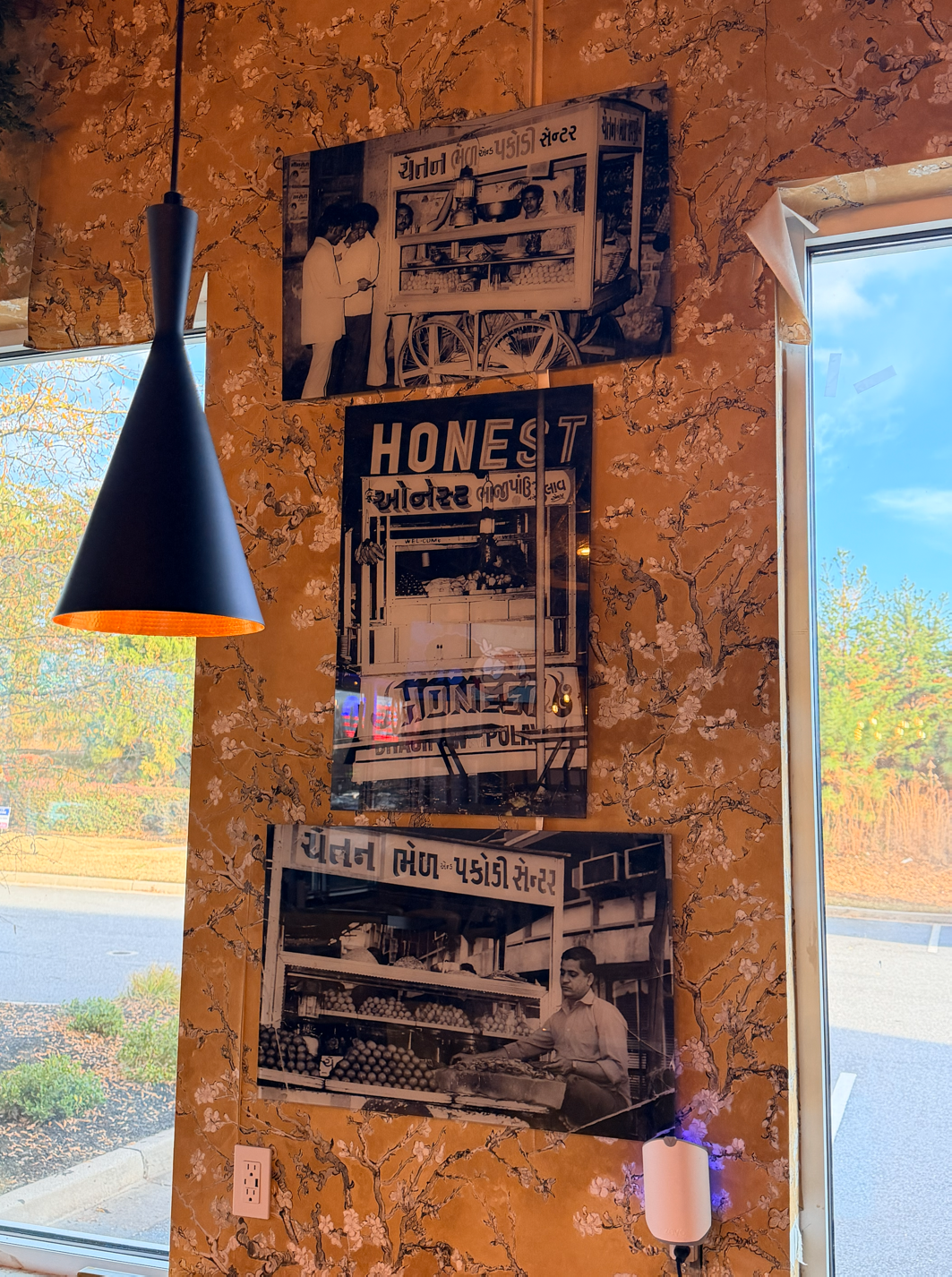
Honest Restaurant itself grew out of familiarity rather than reinvention. The restaurant is part of a franchise that originated in Gujarat, India, where it holds a strong place in everyday life. For many customers, especially Gujaratis, the restaurant brings back memories. “It brings back nostalgia for them,” Karim says. His goal in Suwanee is both simple and demanding: to recreate “the same quality, the same taste, and the same consistency” that customers remember from home.

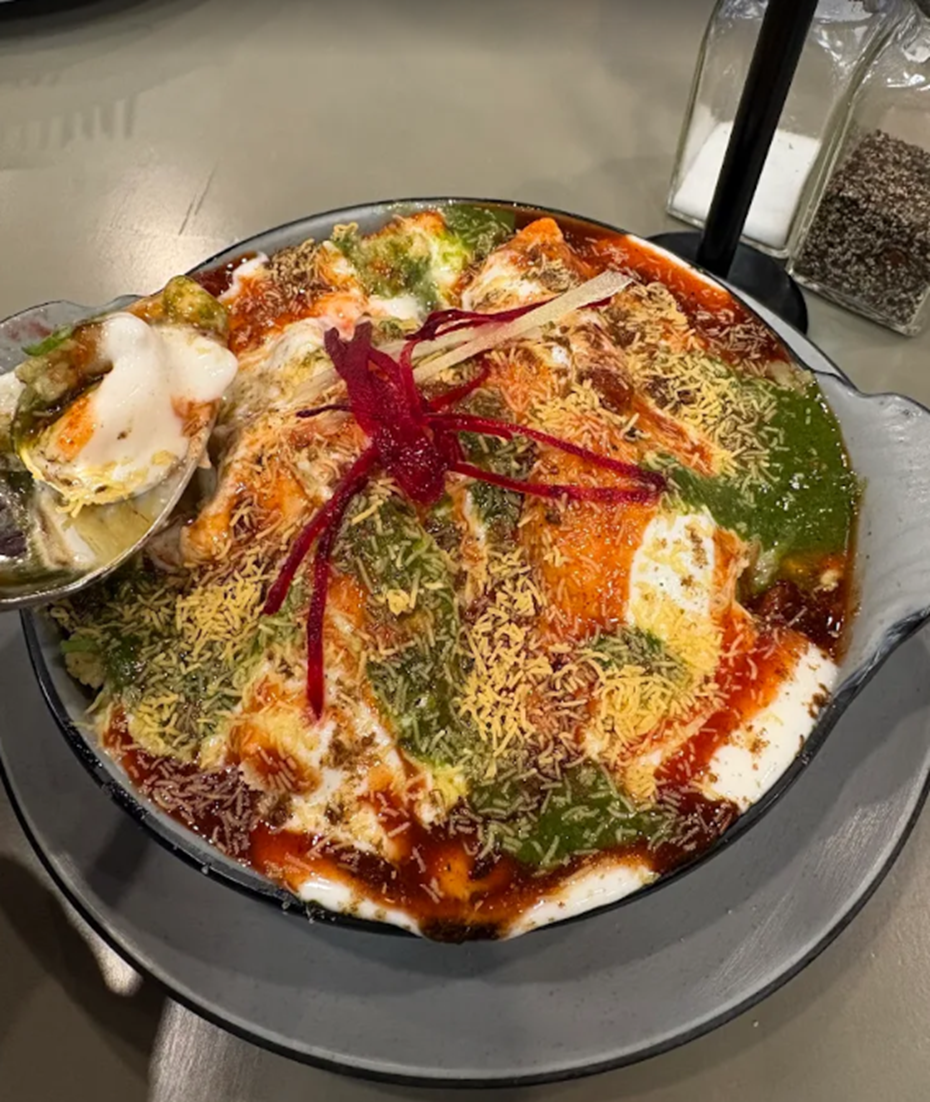
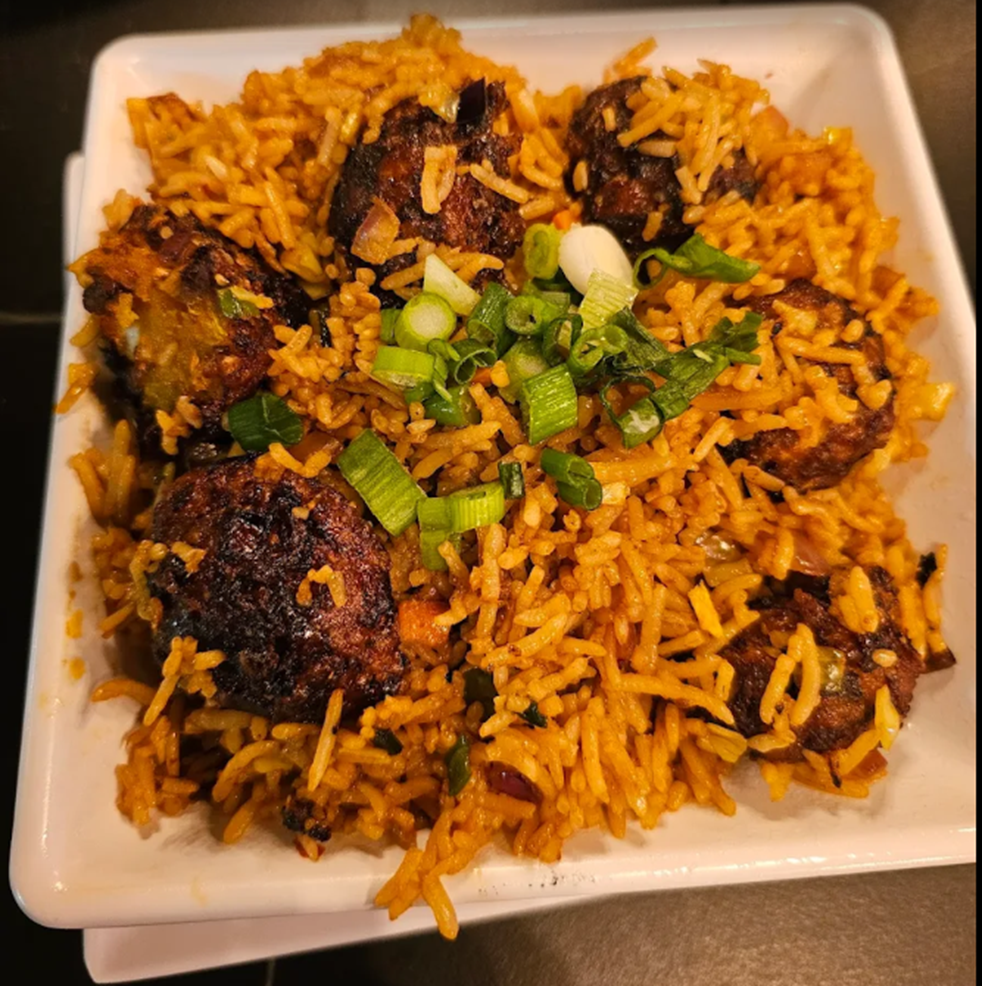
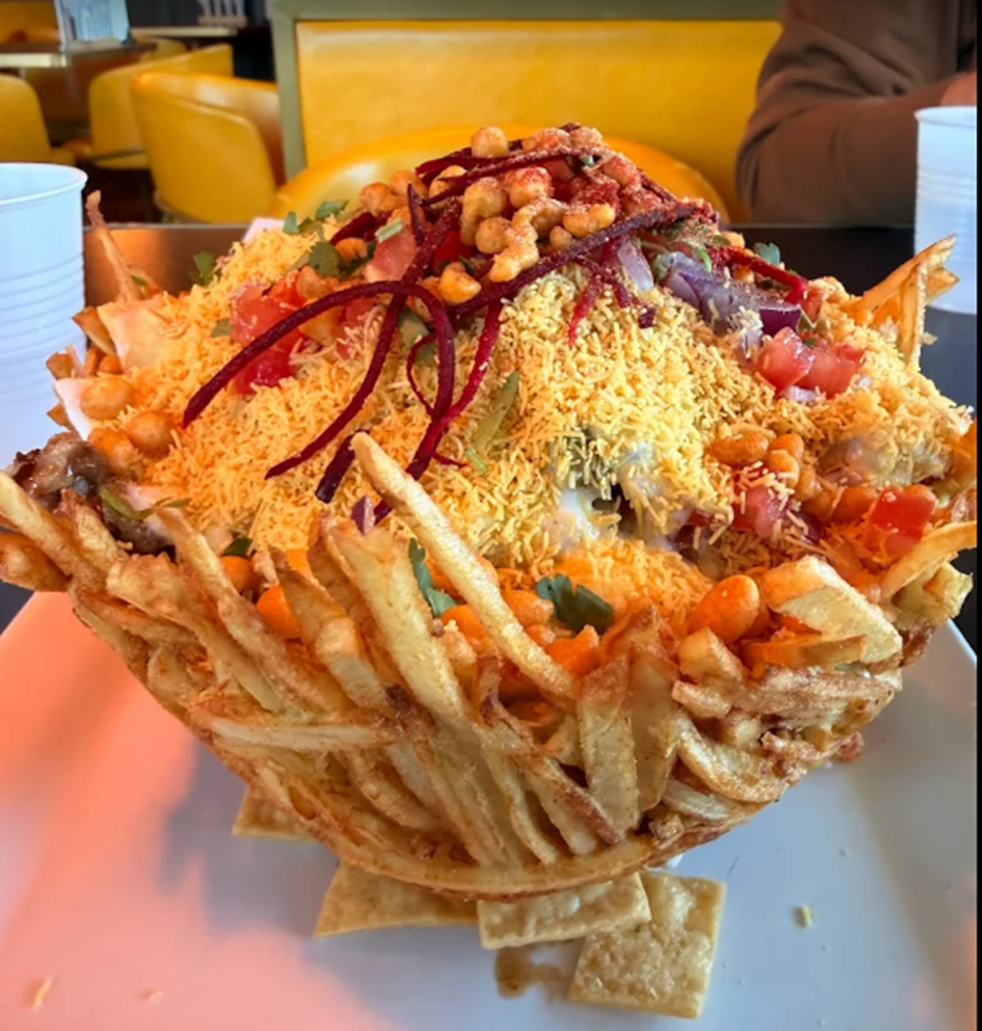
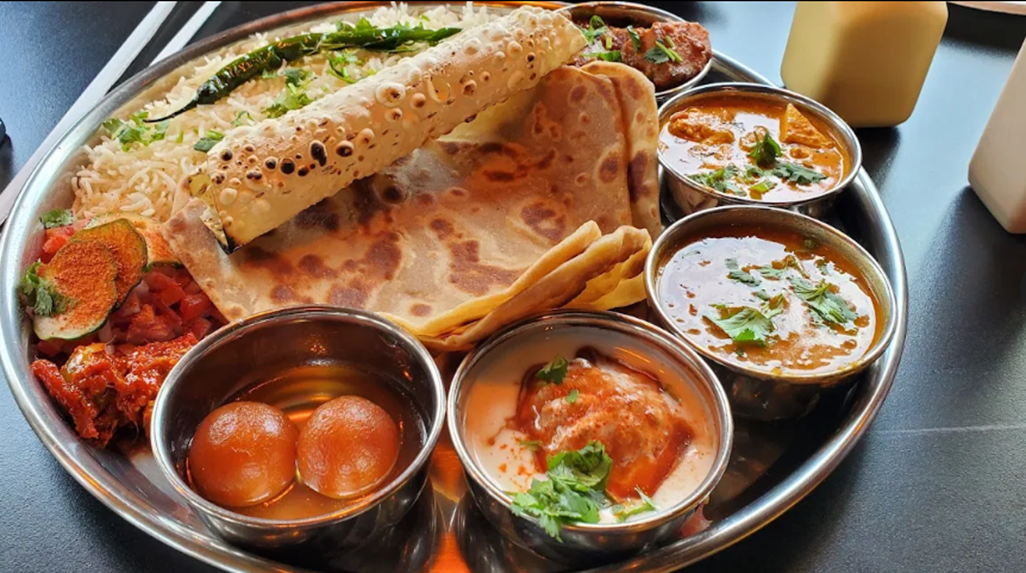
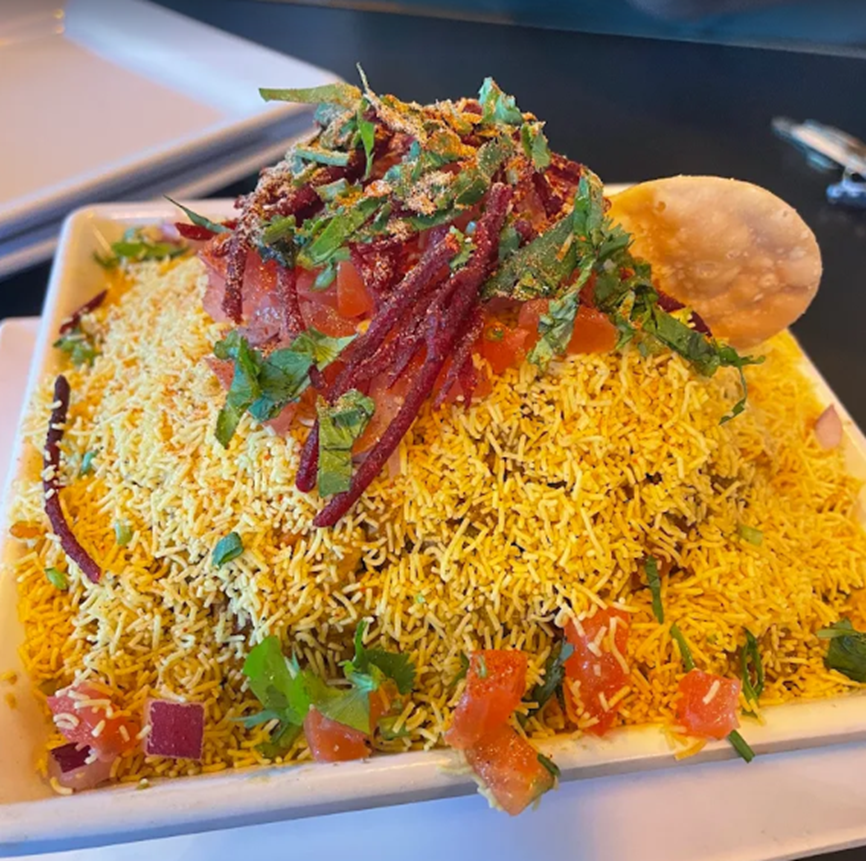
Even as part of a franchise, Karim plays a role in shaping the menu. While many recipes come from the franchiser, certain items have been developed locally. His favorite dishes include pav bhaji, which he describes as “the closest I found to Bombay pav bhaji,” along with dosas and the Baahubali sandwich, a layered sandwich that began as a local creation before being approved and shared across other locations. “We really pride ourselves on the quality of the food, the consistency, and the customer service,” he explains.

For Karim, success is measured less by profit than by how people feel when they leave. “We want you to leave happy,” he says. Many customers tell him that eating at Honest makes them feel as if they are not far from home at all. Through long hours, resilience, and deep respect for tradition, Honest Restaurant has become more than a place to eat. It is a place where memory, comfort, and culture come together.

For Karim, food has always been tied to family, routine, and tradition, long before it became a business. As the operator of Honest Restaurant, a vegetarian Indian restaurant, he brings that grounding sense of familiarity into the space, shaping how the restaurant feels as much as how it functions.

When Karim first came to the United States for college, food was a necessity before it was a passion. Living near Virginia Tech, he found himself far from Indian restaurants and familiar flavors. “I was all by myself,” he explains. “There weren’t any Indian restaurants around there.” Before leaving home, his mother had taught him a few basic dishes, and once in college, he began cooking those meals for himself as a way to get by.

It was only after others noticed his cooking that Karim began to recognize his own skill. Friends would stop by, eat the food he had prepared, and react with surprise and enthusiasm. “That’s when I realized… maybe my food is good,” he says. Cooking quickly became a shared experience. With little money to spare, Karim made a deal with his friends: “I would cook for you if you would buy all my groceries.” In exchange for weekly groceries, he cooked meals for ten to twelve friends at a time, slowly building confidence and consistency in the kitchen.

Despite how central food became in his daily life, Karim’s professional path initially led elsewhere. He studied computer science at Virginia Tech and began working in IT after graduating. His eventual move into the food industry was shaped by family history. “Food has always been in our family,” he explains, noting that his grandfather owned a confectionery business in India. Growing up, Karim spent time around skilled sweet-makers, observing techniques and absorbing knowledge that stayed with him even as he pursued a different career.

Honest Restaurant itself grew out of familiarity rather than reinvention. The restaurant is part of a franchise that originated in Gujarat, India, where it holds a strong place in everyday life. For many customers, especially Gujaratis, the restaurant brings back memories. “It brings back nostalgia for them,” Karim says. His goal in Suwanee is both simple and demanding: to recreate “the same quality, the same taste, and the same consistency” that customers remember from home.

Even as part of a franchise, Karim plays a role in shaping the menu. While many recipes come from the franchiser, certain items have been developed locally. His favorite dishes include pav bhaji, which he describes as “the closest I found to Bombay pav bhaji,” along with dosas and the Baahubali sandwich, a layered sandwich that began as a local creation before being approved and shared across other locations. “We really pride ourselves on the quality of the food, the consistency, and the customer service,” he explains.

For Karim, success is measured less by profit than by how people feel when they leave. “We want you to leave happy,” he says. Many customers tell him that eating at Honest makes them feel as if they are not far from home at all. Through long hours, resilience, and deep respect for tradition, Honest Restaurant has become more than a place to eat. It is a place where memory, comfort, and culture come together.

Karim’s story reflects the heart of More Than a Menu, showing how immigrant-owned restaurants sustain family memory and cultural familiarity through consistency, care, and everyday hospitality.

For Karim, food has always been tied to family, routine, and tradition, long before it became a business. As the operator of Honest Restaurant, a vegetarian Indian restaurant, he brings that grounding sense of familiarity into the space, shaping how the restaurant feels as much as how it functions.

When Karim first came to the United States for college, food was a necessity before it was a passion. Living near Virginia Tech, he found himself far from Indian restaurants and familiar flavors. “I was all by myself,” he explains. “There weren’t any Indian restaurants around there.” Before leaving home, his mother had taught him a few basic dishes, and once in college, he began cooking those meals for himself as a way to get by.

It was only after others noticed his cooking that Karim began to recognize his own skill. Friends would stop by, eat the food he had prepared, and react with surprise and enthusiasm. “That’s when I realized… maybe my food is good,” he says. Cooking quickly became a shared experience. With little money to spare, Karim made a deal with his friends: “I would cook for you if you would buy all my groceries.” In exchange for weekly groceries, he cooked meals for ten to twelve friends at a time, slowly building confidence and consistency in the kitchen.

Despite how central food became in his daily life, Karim’s professional path initially led elsewhere. He studied computer science at Virginia Tech and began working in IT after graduating. His eventual move into the food industry was shaped by family history. “Food has always been in our family,” he explains, noting that his grandfather owned a confectionery business in India. Growing up, Karim spent time around skilled sweet-makers, observing techniques and absorbing knowledge that stayed with him even as he pursued a different career.

Honest Restaurant itself grew out of familiarity rather than reinvention. The restaurant is part of a franchise that originated in Gujarat, India, where it holds a strong place in everyday life. For many customers, especially Gujaratis, the restaurant brings back memories. “It brings back nostalgia for them,” Karim says. His goal in Suwanee is both simple and demanding: to recreate “the same quality, the same taste, and the same consistency” that customers remember from home.

Even as part of a franchise, Karim plays a role in shaping the menu. While many recipes come from the franchiser, certain items have been developed locally. His favorite dishes include pav bhaji, which he describes as “the closest I found to Bombay pav bhaji,” along with dosas and the Baahubali sandwich, a layered sandwich that began as a local creation before being approved and shared across other locations. “We really pride ourselves on the quality of the food, the consistency, and the customer service,” he explains.

For Karim, success is measured less by profit than by how people feel when they leave. “We want you to leave happy,” he says. Many customers tell him that eating at Honest makes them feel as if they are not far from home at all. Through long hours, resilience, and deep respect for tradition, Honest Restaurant has become more than a place to eat. It is a place where memory, comfort, and culture come together.

For Karim, food has always been tied to family, routine, and tradition, long before it became a business. As the operator of Honest Restaurant, a vegetarian Indian restaurant, he brings that grounding sense of familiarity into the space, shaping how the restaurant feels as much as how it functions.

When Karim first came to the United States for college, food was a necessity before it was a passion. Living near Virginia Tech, he found himself far from Indian restaurants and familiar flavors. “I was all by myself,” he explains. “There weren’t any Indian restaurants around there.” Before leaving home, his mother had taught him a few basic dishes, and once in college, he began cooking those meals for himself as a way to get by.

It was only after others noticed his cooking that Karim began to recognize his own skill. Friends would stop by, eat the food he had prepared, and react with surprise and enthusiasm. “That’s when I realized… maybe my food is good,” he says. Cooking quickly became a shared experience. With little money to spare, Karim made a deal with his friends: “I would cook for you if you would buy all my groceries.” In exchange for weekly groceries, he cooked meals for ten to twelve friends at a time, slowly building confidence and consistency in the kitchen.

Despite how central food became in his daily life, Karim’s professional path initially led elsewhere. He studied computer science at Virginia Tech and began working in IT after graduating. His eventual move into the food industry was shaped by family history. “Food has always been in our family,” he explains, noting that his grandfather owned a confectionery business in India. Growing up, Karim spent time around skilled sweet-makers, observing techniques and absorbing knowledge that stayed with him even as he pursued a different career.

Honest Restaurant itself grew out of familiarity rather than reinvention. The restaurant is part of a franchise that originated in Gujarat, India, where it holds a strong place in everyday life. For many customers, especially Gujaratis, the restaurant brings back memories. “It brings back nostalgia for them,” Karim says. His goal in Suwanee is both simple and demanding: to recreate “the same quality, the same taste, and the same consistency” that customers remember from home.

Even as part of a franchise, Karim plays a role in shaping the menu. While many recipes come from the franchiser, certain items have been developed locally. His favorite dishes include pav bhaji, which he describes as “the closest I found to Bombay pav bhaji,” along with dosas and the Baahubali sandwich, a layered sandwich that began as a local creation before being approved and shared across other locations. “We really pride ourselves on the quality of the food, the consistency, and the customer service,” he explains.

For Karim, success is measured less by profit than by how people feel when they leave. “We want you to leave happy,” he says. Many customers tell him that eating at Honest makes them feel as if they are not far from home at all. Through long hours, resilience, and deep respect for tradition, Honest Restaurant has become more than a place to eat. It is a place where memory, comfort, and culture come together.

Karim’s story reflects the heart of More Than a Menu, showing how immigrant-owned restaurants sustain family memory and cultural familiarity through consistency, care, and everyday hospitality.