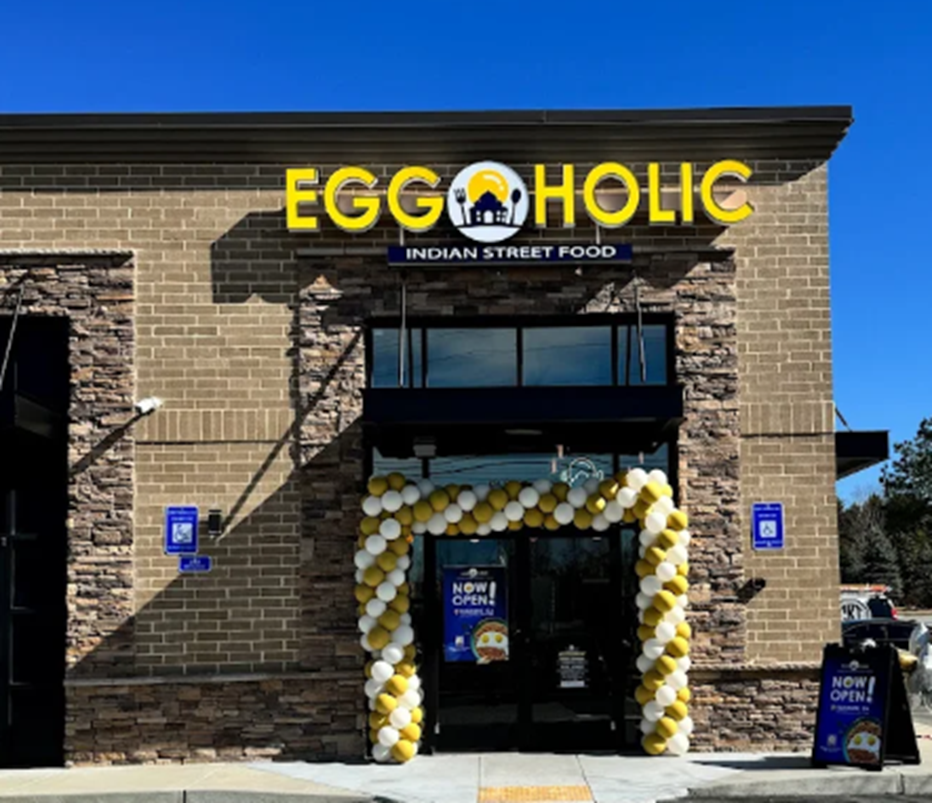
Eggholic

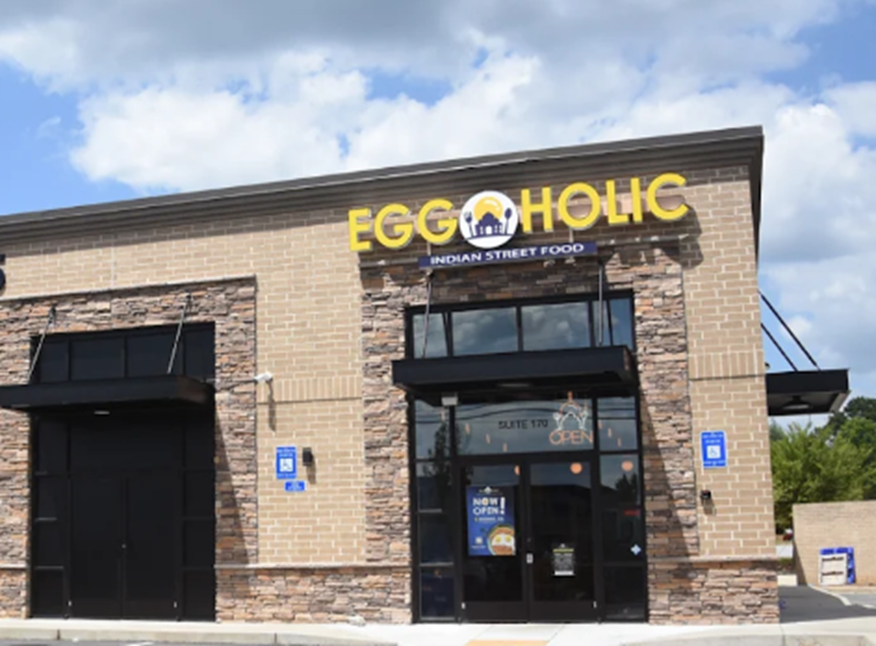
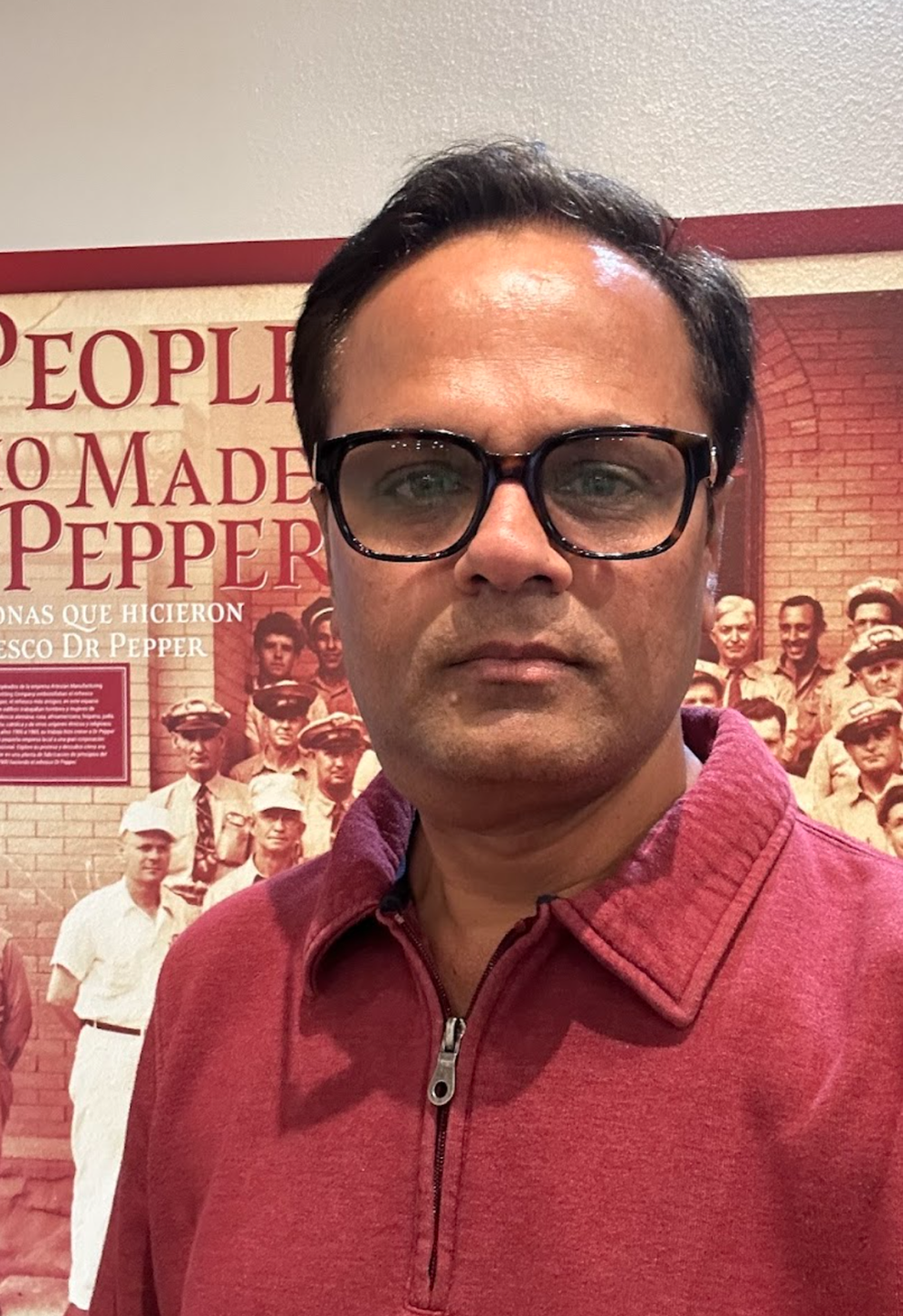
Eggholic is often misunderstood at first glance. Despite its name, it is not a breakfast restaurant and does not serve the egg dishes many American diners might expect. Instead, Eggholic centers Indian street food, with eggs as the main ingredient, drawing specifically from the regional traditions of Gujarat in western India. Owned by Chef Dhaval, the restaurant brings a form of everyday food to the U.S. that is deeply familiar to many immigrants, yet largely absent from mainstream representations of Indian cuisine.

For Dhaval, Eggholic is rooted in memory rather than novelty. In India, eggs were rarely confined to mornings. They were part of late-night routines, eaten during “second dinners” with friends at lahris, or street-side carts, where food was cooked fresh on a hot tava and shared casually. These stalls were social spaces as much as they were culinary ones, offering comfort through repetition and flavor. Eggholic recreates that experience by preparing food to order, using fresh ingredients and spice blends that reflect those street-cart traditions rather than adapting them for Western expectations.

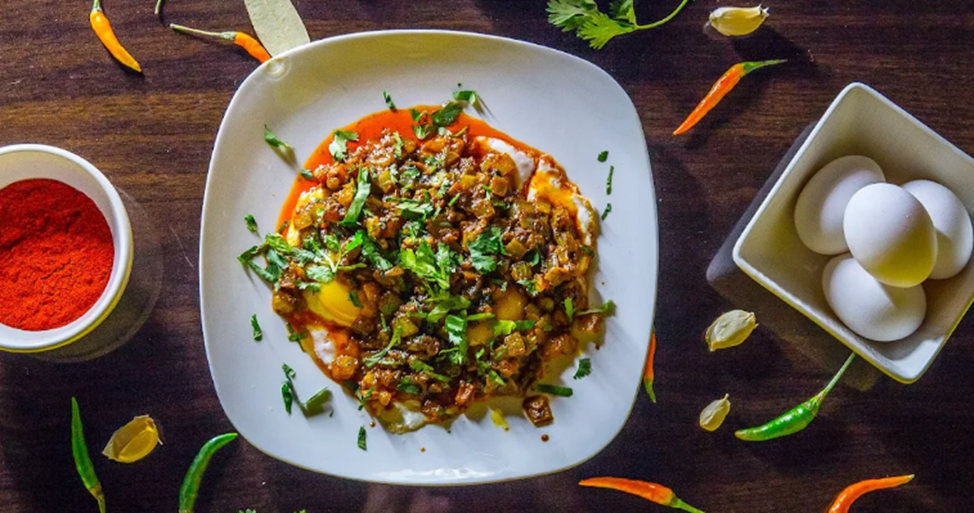
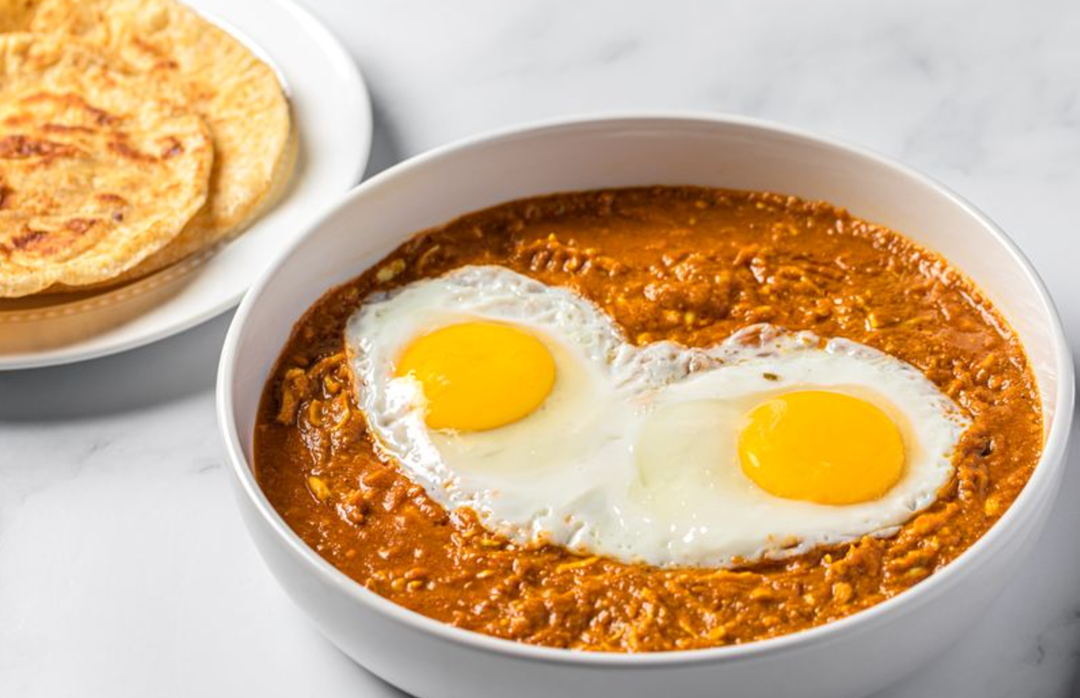
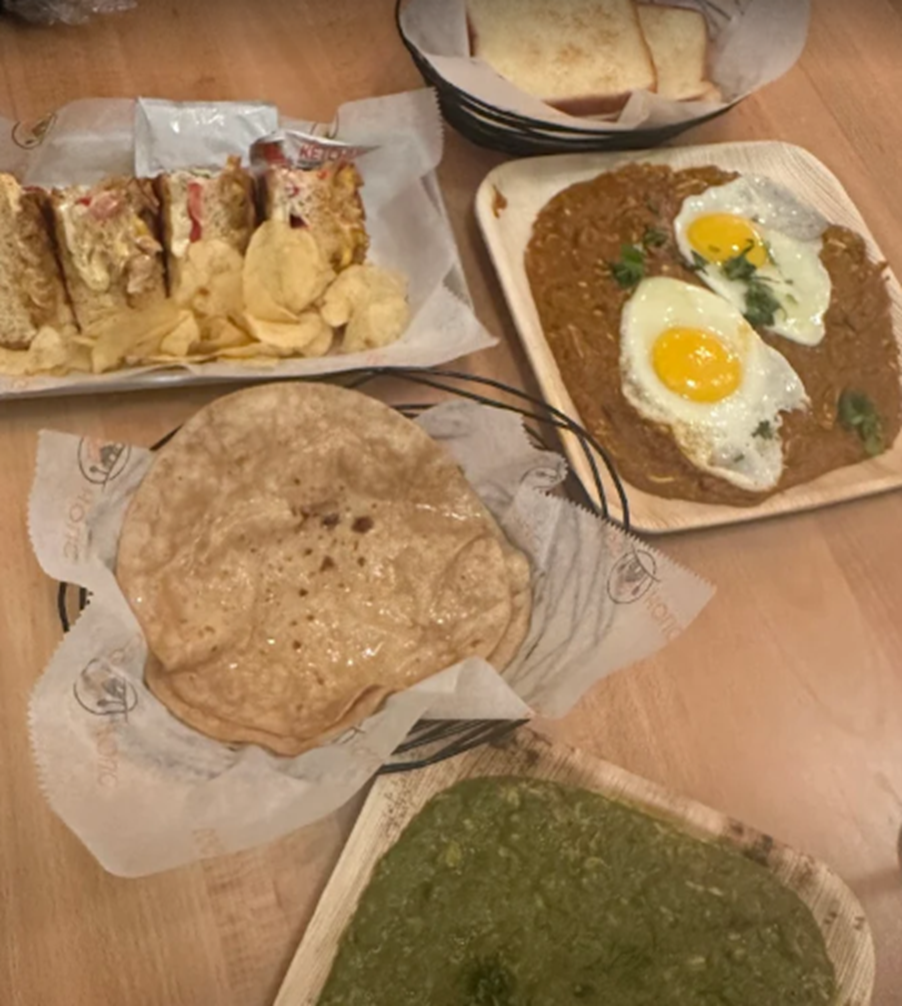
The menu makes that intention clear. Instead of omelets or scrambles, diners encounter dishes like egg bhurji, fluffy scrambled eggs mixed with vegetables and spices, and lachko, softly cooked eggs tossed in a thick green chili gravy. Many offerings are region-specific, drawn directly from Gujarati street food culture. Surti gotalo, a popular dish from the city of Surat, combines shredded hard-boiled eggs with sunny-side-up eggs in a rich, spicy gravy and remains difficult to find elsewhere in the United States. These dishes are bold, heavily spiced, and unapologetic, refusing to tone down heat or flavor to appeal to a broader audience.

That refusal to compromise is central to Dhaval’s vision. “There is a huge lack of Gujarati flavors,” he explains, “so we thought, let’s stick to what we know is good, and we will stand out.” Rather than adjusting recipes to meet perceived expectations, Eggholic leans into specificity. This approach reflects a broader shift among immigrant-owned restaurants, particularly in communities with strong diasporic populations, where cooking for those who already recognize and value these flavors is both intentional and sustainable.

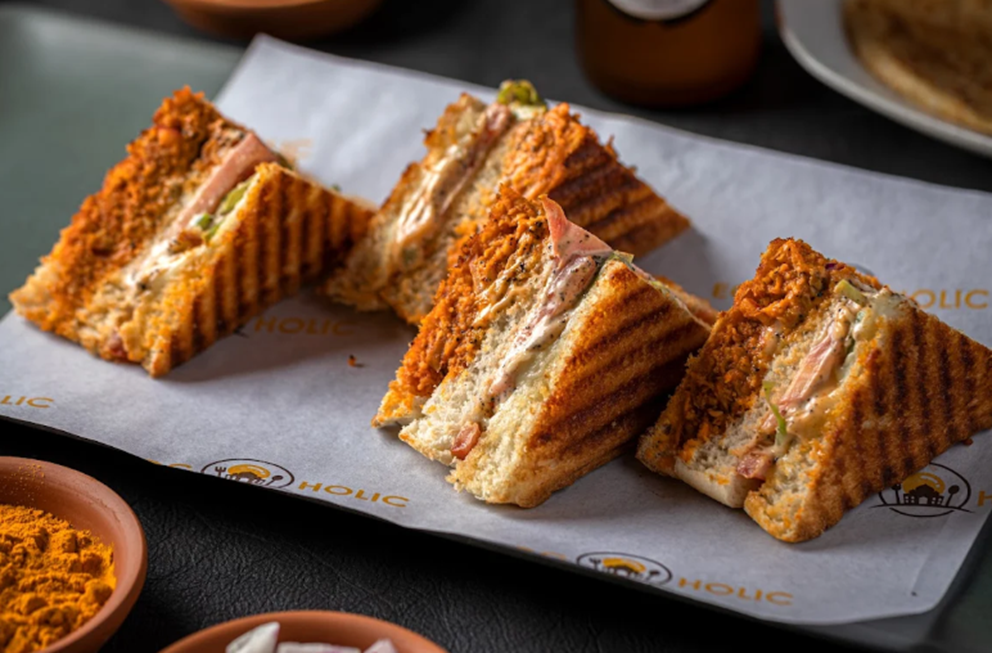
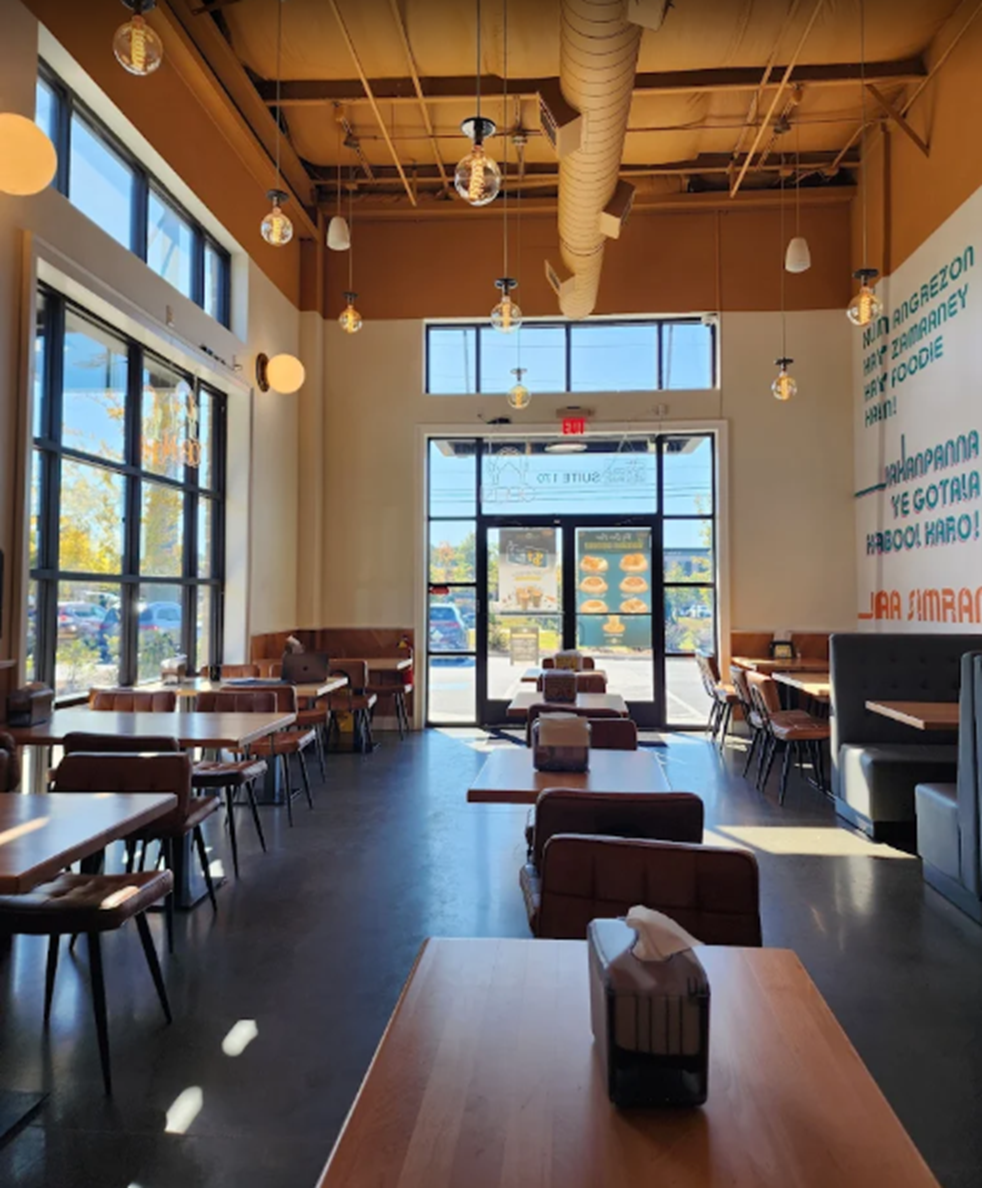
While eggs anchor the menu, vegetarian dishes play an equally important role. Indian cuisine has long offered a wide range of vegetarian options, shaped by regional practices and cultural traditions. At Eggholic, fresh vegetables, paneer-based dishes, sandwiches, rice plates, and chaat-style snacks are prepared with the same care and attention to spice as the egg dishes. These offerings highlight how Indian street food is defined not by a single ingredient, but by technique, balance, and immediacy. Eggholic also positions itself as a community space. The restaurant emphasizes a welcoming, informal atmosphere that mirrors the lahris it draws inspiration from. It is designed to feel familiar rather than curated, encouraging diners to linger, share, and return.

At its core, Eggholic reflects Chef Dhaval’s commitment to preserving regional foodways without apology. By centering Gujarati street food and resisting the pressure to adapt for mainstream tastes, the restaurant demonstrates how immigrant-owned spaces can honor cultural memory while building community through everyday meals.

Eggholic’s story reflects the heart of Restaurant Voices, showing how immigrant-owned restaurants preserve regional identity and cultural memory by refusing to compromise authenticity for mainstream expectations.

Eggholic is often misunderstood at first glance. Despite its name, it is not a breakfast restaurant and does not serve the egg dishes many American diners might expect. Instead, Eggholic centers Indian street food, with eggs as the main ingredient, drawing specifically from the regional traditions of Gujarat in western India. Owned by Chef Dhaval, the restaurant brings a form of everyday food to the U.S. that is deeply familiar to many immigrants, yet largely absent from mainstream representations of Indian cuisine.

For Dhaval, Eggholic is rooted in memory rather than novelty. In India, eggs were rarely confined to mornings. They were part of late-night routines, eaten during “second dinners” with friends at lahris, or street-side carts, where food was cooked fresh on a hot tava and shared casually. These stalls were social spaces as much as they were culinary ones, offering comfort through repetition and flavor. Eggholic recreates that experience by preparing food to order, using fresh ingredients and spice blends that reflect those street-cart traditions rather than adapting them for Western expectations.

The menu makes that intention clear. Instead of omelets or scrambles, diners encounter dishes like egg bhurji, fluffy scrambled eggs mixed with vegetables and spices, and lachko, softly cooked eggs tossed in a thick green chili gravy. Many offerings are region-specific, drawn directly from Gujarati street food culture. Surti gotalo, a popular dish from the city of Surat, combines shredded hard-boiled eggs with sunny-side-up eggs in a rich, spicy gravy and remains difficult to find elsewhere in the United States. These dishes are bold, heavily spiced, and unapologetic, refusing to tone down heat or flavor to appeal to a broader audience.

That refusal to compromise is central to Dhaval’s vision. “There is a huge lack of Gujarati flavors,” he explains, “so we thought, let’s stick to what we know is good, and we will stand out.” Rather than adjusting recipes to meet perceived expectations, Eggholic leans into specificity. This approach reflects a broader shift among immigrant-owned restaurants, particularly in communities with strong diasporic populations, where cooking for those who already recognize and value these flavors is both intentional and sustainable.

While eggs anchor the menu, vegetarian dishes play an equally important role. Indian cuisine has long offered a wide range of vegetarian options, shaped by regional practices and cultural traditions. At Eggholic, fresh vegetables, paneer-based dishes, sandwiches, rice plates, and chaat-style snacks are prepared with the same care and attention to spice as the egg dishes. These offerings highlight how Indian street food is defined not by a single ingredient, but by technique, balance, and immediacy. Eggholic also positions itself as a community space. The restaurant emphasizes a welcoming, informal atmosphere that mirrors the lahris it draws inspiration from. It is designed to feel familiar rather than curated, encouraging diners to linger, share, and return.

At its core, Eggholic reflects Chef Dhaval’s commitment to preserving regional foodways without apology. By centering Gujarati street food and resisting the pressure to adapt for mainstream tastes, the restaurant demonstrates how immigrant-owned spaces can honor cultural memory while building community through everyday meals.

Eggholic’s story reflects the heart of Restaurant Voices, showing how immigrant-owned restaurants preserve regional identity and cultural memory by refusing to compromise authenticity for mainstream expectations.